

30
SeptemberMastering Food Cost and Inventory Control: A Comprehensive Guide for Restaurants
Controlling food costs requires far more than basic inventory spreadsheets. To protect operational profitability, food service operators must build an automated link between what is rung up at the cash register, what is prepped on the line, and what remains inside storage rooms.
Connecting Menu Items to Ingredient Metrics
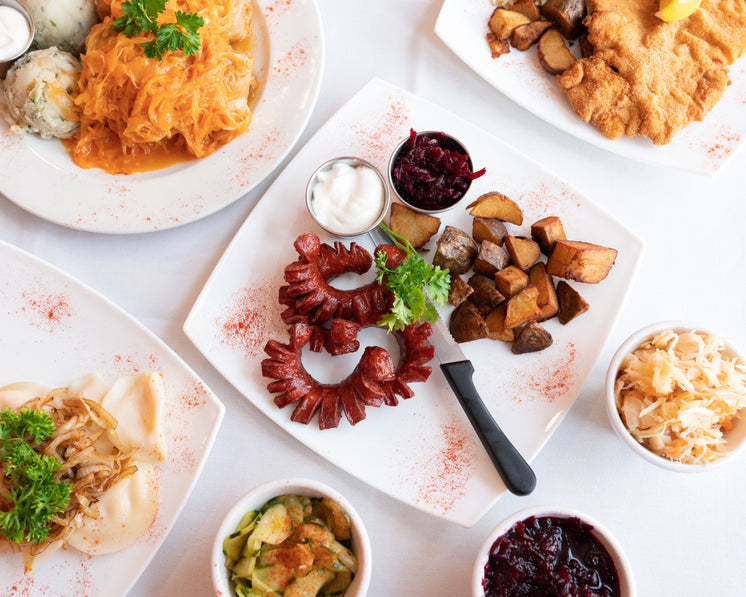 A dish cannot be accurately costed without defining its precise ingredient components. Every gram of seasoning, portion of protein, and milliliter of cooking oil must be tied directly to a recipe matrix.
| Recipe Element | Tracking Mechanism | Financial Impact |
|---|---|---|
| Yield Factor | Prevents inaccurate ingredient write-offs | |
| Sub-Recipes & Prep Items | Accurately distributes prep labor & waste | |
| Packaging & Disposables | Tied directly to delivery sales channels | |
| Dynamic Modifiers | Adjusts cost when guests modify dishes |
When recipe matrices are structured correctly inside a modern platform like Syrve POS, every sale automatically depletes raw ingredients in real time.
Step 2. Implement Automated Stock Audits and Variance Tracking
Modern hospitality venues divide inventory checks into frequent, targeted operational audits.
To maintain continuous stock precision, apply three structured auditing layers:
- Daily High-Value Spot Checks. Track high-risk stock items with daily opening and closing counts.
- Weekly Prep and Semi-Finished Reviews. Verify that actual batch yields match technical expectations.
- Full Venue Stocktake. Generate formal discrepancy variance reports for management review.
Highlighting the variance between expected consumption and actual stock counts gives managers immediate actionable data to correct kitchen portioning habits.
Step 3. Streamline Purchasing and Supplier Price Management
Automating procurement ensures that current ingredient costs instantly update menu margin calculations.
- Minimum Stock Alerts. System automatically generates purchase orders when supplies fall below defined safety stock levels.
- Invoice Auditing. Stops unintentional overpayments at the receiving dock.
- Electronic Delivery Receipts. Saves administrative hours and eliminates typing mistakes.
- Waste and Spoilage Logging. Identifies trends in supplier quality or staff handling errors.
Unified Order Execution
Enforcing digital communication between the dining area and the kitchen stops unaccounted food output.
By implementing integrated kitchen display systems and order printers, the culinary line prepares items exclusively when an order is verified through the point of sale. Every ingredient that enters cooking pans is accounted for on a customer ticket.
| Kitchen Tool | Functional Benefit | Operational Result |
|---|---|---|
| Kitchen Display Screen (KDS) | Eliminates lost paper tickets | |
| Upsell restaurant automation | Captures revenue for custom orders | |
| Bar & Line Separation | Eliminates duplicate preparation | |
| Real-Time Stop List | Instantly disables out-of-stock items across all terminals |
Continuous Operational Optimization
A comprehensive point-of-sale platform should function as an analytical engine, not merely a receipt printer. Hospitality operators need immediate visibility into performance indicators to make swift commercial decisions.
Key analytical dimensions every restaurateur should track continuously include:
- dish-by-dish margin contribution and sales volume (Menu Matrix / Boston Box)
- aligning staffing schedules directly with customer peak hours
- actual food cost variance compared to theoretical target cost
- identifying top-performing staff members for upselling recognition
- evaluating the genuine profitability of third-party delivery channels
The Role of Professional Systems Engineering
Deploying comprehensive hospitality management software requires technical expertise, deep industry knowledge, and dependable infrastructure. Improperly configured recipe trees or unstable local network routing will create operational friction and employee frustration.
As an authorized implementation partner, Retail Soft Consulting helps dining establishments configure complete Syrve POS environments, configure cloud backups, train staff members, and restaurant inventory management integrate regulatory compliance tools. With dedicated 24/7 technical assistance, unexpected system interruptions are addressed immediately, allowing hospitality teams to focus on culinary quality and guest care.
Final Takeaway: Building a Resilient, Profitable Hospitality Brand
Thriving in the modern food service industry demands disciplined operational control alongside culinary creativity. When inventory movements are tracked accurately, kitchen stations communicate effortlessly, and financial reports reflect actual performance in real time, business owners can expand their brand with total confidence.

Reseñas